admin
December 5, 2025
admin
December 5, 2025
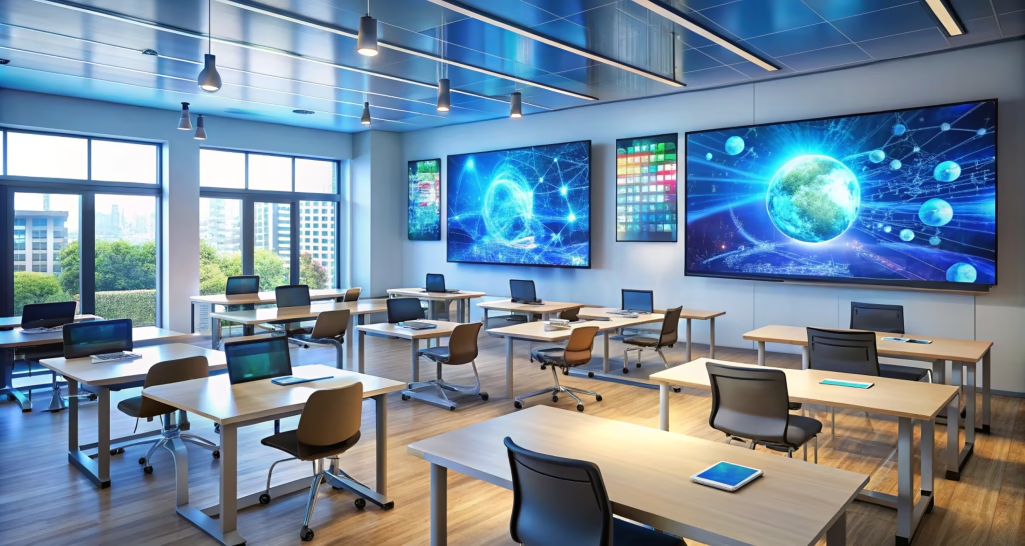
5 Essential Classroom AV Solutions Every Modern School Needs
Classrooms today are no longer limited to chalkboards, projectors, or printed textbooks. With the rise of digital learning, classroom AV solutions have become foundational infrastructure just as essential as lighting or ventilation. From interactive displays to teacher microphones, audio reinforcement, content sharing systems, and hybrid learning setups, AV is now the backbone that supports effective, consistent, and accessible teaching.
Whether you’re upgrading existing spaces or designing modern learning environments from scratch, understanding the technical role of classroom audio visual systems is critical. The right design improves attention, ensures clarity, reduces teacher strain, and creates classrooms that function equally well for in person and remote learners.
This guide breaks down what classroom AV means, why schools need it, and the technical components that define a high performing learning space.
What Are Classroom AV Solutions?
Classroom AV solutions refer to the integration of audio, video, display, and control technologies that support teaching, presentations, collaboration, and hybrid learning. These systems combine:
- Displays – interactive flat panels, projectors, or LED displays
- Audio reinforcement – speakers, amplifiers, teacher microphones
- Video systems – cameras for remote participation or recording
- Content-sharing tools – wireless presentation systems, document cameras
- Control interfaces – touchscreen controllers or wall panels
- Connectivity – HDMI, USB-C, and network-based AV (AV-over-IP)
Modern classroom AV is engineered to ensure content is visible from all seats, audio is clear across the room, and teachers can present effortlessly with minimal technical interruptions.
Why do classrooms need smart AV Solutions?
A modern classroom has to support a range of teaching styles: lectures, discussions, presentations, multimedia demonstrations, and hybrid sessions where remote learners participate in real time. Without professionally designed classroom display solutions and audio systems, teachers often face visibility problems, inconsistent sound, and unreliable connectivity that disrupt the flow of a lesson. A proper audio visual setup ensures that every student can see and hear the content clearly, reduces vocal strain for teachers, and maintains stable audio and video quality for hybrid or remote learners. It also addresses the acoustic challenges common in larger classrooms and ensures that the technology remains intuitive for faculty to operate. When integrated correctly, classroom AV solutions shift the focus from managing technical issues to delivering effective, engaging, and uninterrupted learning.
(Source: India Today – Audio-Visual Education Enhances Student Success)
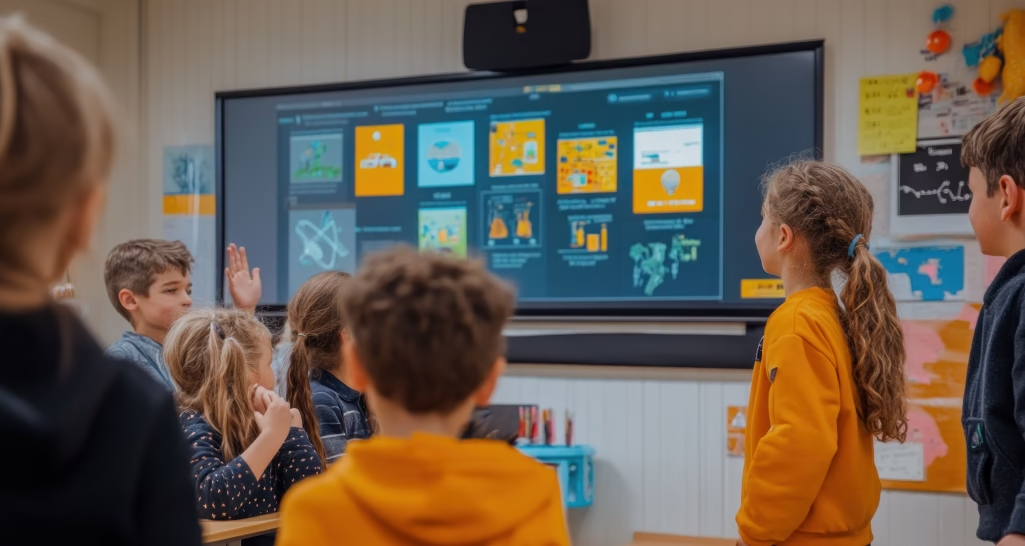
Benefits- Classroom AV
1. Improved Audio Clarity for Every Student
Audio is the most important element in a classroom. Even small rooms suffer from:
- Background noise
- Uneven sound coverage
- Teacher voice fatigue
With classroom AV solutions, sound reinforcement ensures:
- Balanced audio across the entire seating area
- Clear speech intelligibility
- Consistent volume without distortion
- Reduction in teacher vocal strain
Many modern classrooms in India now use teacher microphone systems that automatically adjust gain and maintain clarity regardless of movement.
2. Enhanced Visual Learning With High Quality Displays
Visual engagement increases retention, but only when displays are designed for:
- Correct screen size
- Optimal brightness
- High resolution
- Anti glare viewing
- Proper mounting height
Professional classroom display solutions include:
- Interactive flat panels (“75 – 86”)
- Ultra short throw projectors
- LED display walls
- Touch enabled digital boards
These provide maximum visibility even in bright classrooms, making content more accessible for all learners.
3. Hybrid Learning & Remote Participation
Modern classrooms often require:
- Two-way video conferencing
- Auto-tracking cameras
- Ceiling microphones
- Noise reduction DSPs
This ensures students joining remotely experience:
- Clear audio
- Proper framing of the teacher
- Shared digital content in real time
For schools adopting hybrid models, classroom AV solutions India now include complete camera + microphone kits that work with Teams, Zoom, Google Meet, and LMS platforms.
4. Centralized Control & Seamless Operation
Instead of multiple remotes and switches, classrooms use:
- Touch controllers
- Wall-mounted panels
- Sensors for automated power on/off
This lets educators control:
- Display
- Volume
- Camera
- Input sources
- Lights (optional)
A unified control system ensures classes start instantly with no technical delays.
5. Better Classroom Management & Engagement
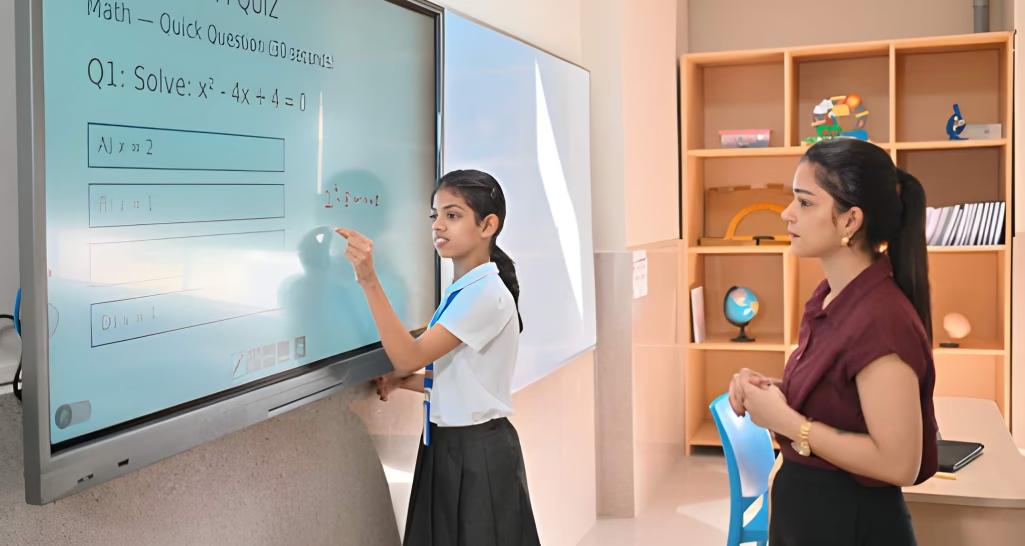
Interactive digital tools allow teachers to:
- Annotate on screen content
- Record lessons
- Use split-screen layouts
- Conduct quizzes
- Display student devices wirelessly
Students benefit from:
- More collaborative learning
- Consistent content delivery
- Richer multi media experiences
Well engineered classroom audio visual solutions make learning more dynamic, inclusive, and future ready.
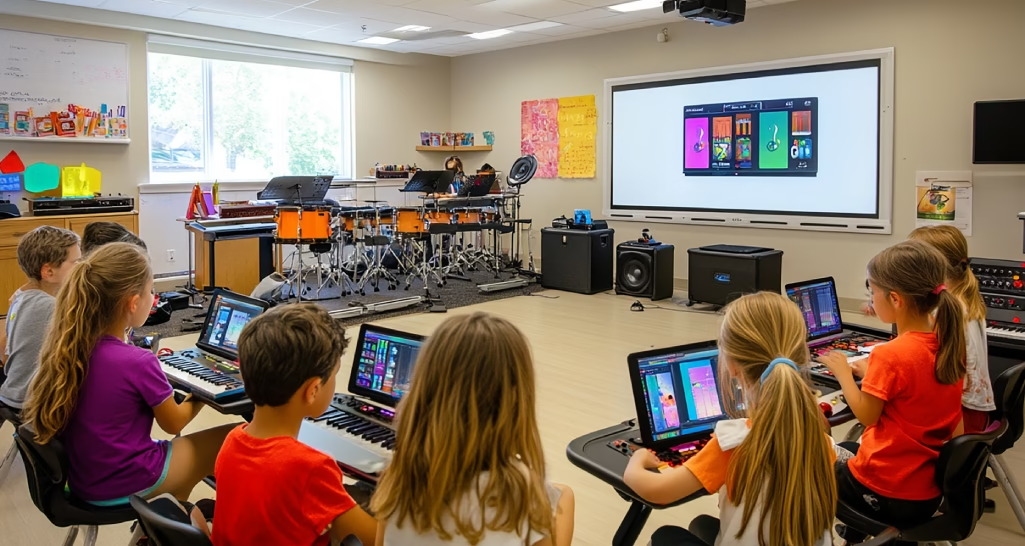
Essentials of a Modern Classroom AV Setup
A well engineered classroom relies on several integrated technologies that work together to support teaching, collaboration, and hybrid learning. Each component has a specific role in ensuring clarity, reliability, and ease of use.
1. Classroom Display Systems
The display is the primary visual reference for students, and its performance directly impacts comprehension. Modern classrooms use a range of options such as interactive flat panels, ultra-short-throw projectors, commercial digital displays, or LED video walls for larger rooms. The ideal choice depends on factors like room size, lighting conditions, viewing distance, and the type of content being shown.
2. Audio Reinforcement
Clear sound is essential for effective teaching. Audio reinforcement typically includes ceiling or wall mounted speakers, dedicated amplifiers, signal processors, and wireless microphones for instructors. When correctly designed, the system distributes speech evenly across the room, ensuring every student hears without distortion or uneven volume.
3. Video Conferencing- Hybrid Learning
Classrooms designed for hybrid or remote learning often rely on technologies such as auto tracking or PTZ cameras and high quality recording tools. These systems make it possible to conduct live video conferencing sessions, record lectures for later review, and share content in real time with students joining from any location. Whether learners are in the room or participating remotely, they receive the same clear view of the teacher, the board, and the lesson material ensuring continuity and flexibility in how classes are accessed and revisited.
4. Connectivity & Content Sharing Infrastructure
A robust connection system allows teachers and students to present content from any device. This includes HDMI or USB-C interfaces, wireless sharing platforms, and network-based AV distribution. Reliable connectivity ensures smooth transitions between sources and reduces downtime during lessons.
5. Centralized Control & Automation
To streamline operation, classrooms use control interfaces such as touch panels, wall mounted keypads, or occupancy sensors. These systems centralize functions like display power, input switching, audio leveling, and camera presets. With simplified controls, teachers can manage the entire classroom setup with minimal effort.
Why Work With a Classroom AV Integrator in India?
Working with a professional classroom AV integrator in India ensures that every element of the system is engineered correctly from selecting the right screen size and designing balanced audio coverage to managing acoustics, latency, and connectivity. As an experienced integrator, Vallect specializes in creating well designed classroom AV systems, guiding schools in choosing the right technologies, ensuring clean installation, and delivering setups that support high quality learning with long term reliability.
Classroom AV solutions are no longer optional; they are essential for delivering modern, equitable, and effective education. When classrooms are equipped with the right audio, visual, and control technologies, teaching becomes more efficient, students stay more engaged, and institutions gain a long term digital infrastructure that grows with future requirements.